





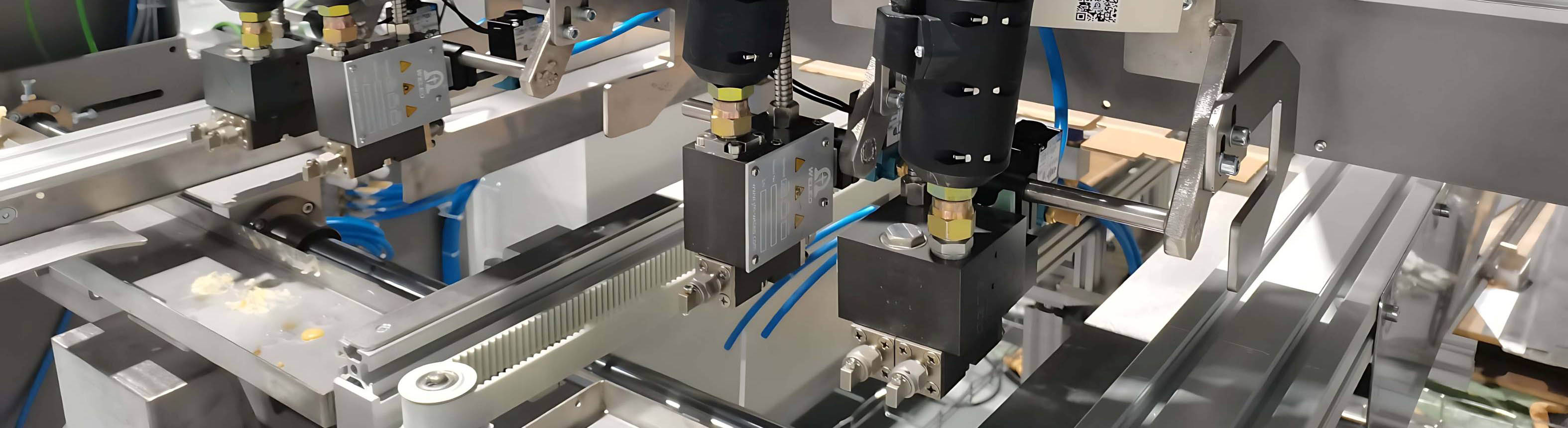
Temperature is one of the easiest settings to adjust in an adhesive system, but it is also one of the easiest settings to misunderstand. Many production problems that look like poor glue quality actually come from unstable heating, delayed heat recovery, or the wrong temperature balance between the tank, hose, and applicator.
-
2026-05-30
-
2026-05-30Glue overflow usually starts as a small edge problem, but it can quickly become a production cost issue. Overflow stains products, blocks machine parts, increases cleaning time, wastes adhesive, and may cause bonding defects after packaging or assembly. For factories using hot melt, PUR, or cold glue systems, solving overflow requires more than lowering glue volume.
-
2026-05-30Stable bonding in an automated production line depends on more than adhesive selection. The real performance comes from how the adhesive is melted, transferred, metered, heated, filtered, and applied during continuous operation. For packaging, labeling, non-woven, electronics, furniture, automotive parts, and assembly lines, the best adhesive system is not simply the largest machine.
-
2026-05-15Reliable bonding is not only about adhesive quality. The way glue is heated, delivered, sprayed, and controlled can decide whether the final product has clean edges, stable strength, and consistent appearance. An automatic glue spray system is an integrated adhesive application setup that uses a glue supply unit...
-
2026-05-15Repeatable adhesive application means the glue amount, glue position, pattern shape, bonding result, and machine response stay stable from the first product to the last product in the batch. For packaging, labels, paper products, non-woven materials, furniture, electronics, and automated assembly lines...
-
2026-05-14Production stability depends on more than using the right adhesive. Hot melt adhesive systems, PUR reactive systems, cold glue dispensing units, heated hoses, pumps, guns, nozzles, and sensors must all work within a controlled range.
-
2026-05-14Modern production lines need bonding methods that are fast, clean, controllable, and suitable for continuous output. This is why hot melt adhesive systems are widely used across packaging, paper products, labels, non-woven materials, furniture, electronics, new energy, and automated assembly.
-
2026-05-13Glue pump selection affects adhesive output stability, application accuracy, maintenance rhythm, and long-term production cost. Many adhesive systems look similar from the outside, but the pump structure inside can create very different results. For hot melt adhesive, PUR reactive adhesive, cold glue...
-
2026-05-13Precise adhesive application is not only about using a better nozzle. It depends on how the adhesive is melted, filtered, pressurized, transported, metered, triggered, and applied to the product surface. When one part of the system is unstable, the final glue line may shift, break, overflow, or vary in thickness.
-
2026-05-12Stable adhesive application efficiency comes from more than machine speed. It depends on heating control, glue amount accuracy, nozzle matching, line synchronization, material condition, and maintenance planning. When these factors work together, the production line can reduce glue waste, avoid repeated adjustment, improve bonding consistency, and keep output more predictable.
-
2026-05-12High-speed production puts much heavier pressure on adhesive equipment than ordinary manual or semi-automatic work. When the line speed increases, the glue system must melt faster, deliver more consistently, respond more quickly, and apply adhesive with repeatable accuracy.
-
2026-05-11Unexpected glue system stoppage often starts from small problems: unstable heating, blocked nozzles, worn seals, dirty filters, incorrect pressure, or delayed cleaning. For packaging, paper products, non-woven materials, labels, product assembly, new energy, and automation lines, one hour of downtime can interrupt output, increase waste, and affect delivery planning.