





Why Do Adhesive Systems Need Calibration?
Production stability depends on more than using the right adhesive. hot melt adhesive systems, PUR reactive systems, cold glue dispensing units, Heated Hoses, pumps, guns, nozzles, and sensors must all work within a controlled range. Once pressure, temperature, pump output, or trigger timing drifts, the final glue line can become too thick, too thin, delayed, misaligned, or inconsistent. This is why adhesive system calibration importance should be treated as part of regular production management, not only as a repair task after defects appear.
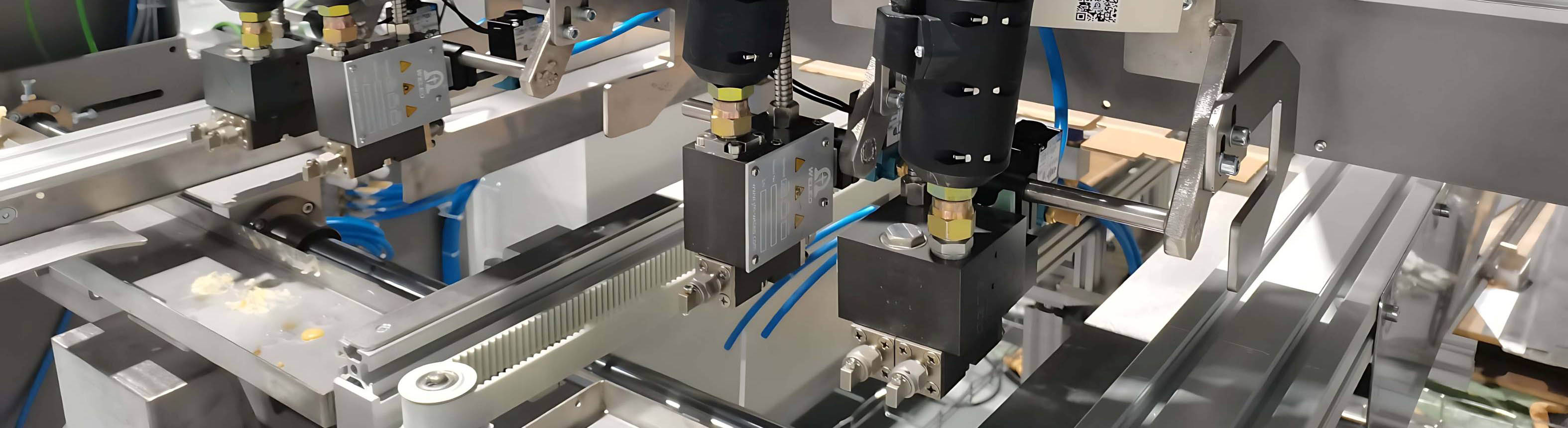
WELEO provides Hot Melt Adhesive Supply Units, PUR reactive hot melt adhesive equipment, cold gluing systems, high-precision gear pump systems, piston pump systems, quantitative spraying systems, heated hoses, applicators, nozzles, and automatic filling systems. For industries such as packaging, paper products, labels, non-woven materials, electronics, furniture, new energy, and automated assembly, calibration helps keep adhesive output stable across long production runs.
Table of Contents
Key Calibration Areas In Adhesive Systems
| Calibration Area | What May Drift | Production Risk | What To Check |
|---|---|---|---|
| Temperature control | Tank, hose, gun, nozzle heat | Viscosity change, stringing, weak bonding | Actual temperature against set value |
| Pump output | Glue volume per cycle | Excess glue, insufficient bonding, waste | Output weight or volume test |
| Pressure control | Delivery pressure | Flow fluctuation, unstable glue line | Pressure reading and response |
| Trigger timing | Open and close signal | Glue position shift | Sensor timing and line speed match |
| Nozzle condition | Spray width or bead shape | Uneven application | Pattern shape and blockage |
| Filter condition | Flow resistance | Pressure loss, pump load increase | Filter cleanliness and replacement cycle |
Calibration Keeps Glue Output Repeatable
Temperature Accuracy Controls Viscosity
Adhesive viscosity changes when temperature changes. ASTM D3236 covers apparent viscosity testing for hot melt adhesives and coating materials at elevated temperatures, which shows the close connection between heat control and adhesive flow behavior. If the tank is set correctly but the heated hose or nozzle runs colder, the glue may thicken before application. If the system overheats, the adhesive may age faster and cause carbon buildup.
A proper glue equipment calibration process should compare displayed temperature with actual measured temperature at critical points. This includes the melting tank, pump zone, hose connection, applicator body, and nozzle area. Stable heating helps the pump deliver adhesive with fewer flow changes.
Pump Calibration Improves Glue Amount Control
Pump output is one of the most important parts of calibration. Gear pump systems are often used when accurate metering is needed, while piston pump systems are commonly selected for strong and practical glue supply. However, both pump types can drift over time because of wear, seal condition, adhesive contamination, pressure changes, or incorrect speed settings.
WELEO’s high-precision gear pump series and quantitative spraying systems are designed for applications that require controlled adhesive output. Calibration helps confirm whether the pump is still delivering the planned amount of glue at the current line speed. This supports industrial system accuracy and reduces repeated manual adjustment during production.
Why Output Testing Matters
Output testing is usually done by running the machine under fixed conditions and measuring adhesive weight or volume over a set time. If the actual output is higher or lower than the target, the system should be adjusted before large-scale production begins. This prevents waste, weak bonding, and quality variation between batches.
Timing Calibration Prevents Glue Position Errors
In automated lines, adhesive must be applied at the right position, not just in the right amount. When the sensor signal, valve response, or line speed setting is not calibrated, the glue may land too early or too late. This problem is common in fast packaging, labeling, paper product, and assembly lines.
A practical adhesive system calibration method should include trigger timing tests. Operators can check whether the glue start point, stop point, bead length, spray width, and application position match the product design. Small timing errors may look minor during testing, but they can create large waste during continuous production.
Calibration Reduces Hidden Downtime
Many adhesive system problems do not appear suddenly. They develop through small changes: a filter becomes dirty, a nozzle partially blocks, a pump seal wears, a hose loses heat, or a sensor shifts. Without calibration, these small changes may continue until the line stops or product defects increase.
Regular calibration helps find these changes early. It also creates a clear reference for operators, maintenance teams, and production managers. Instead of guessing whether the glue, machine, or material caused the problem, the team can compare actual data with the approved production setting.
WELEO’s System-Based Calibration Thinking
WELEO supports adhesive application through complete equipment matching, including melting units, pumps, heated hoses, applicators, nozzles, filters, and control components. Calibration should follow the same system-based thinking. Checking only one part is not enough, because adhesive performance depends on the full path from melting to final dispensing.
For PUR reactive hot melt adhesive, calibration is especially important because the material needs controlled melting, sealed delivery, accurate application, and stable process timing. For cold glue systems, viscosity, pump delivery, nozzle pattern, and drying conditions should also be checked together.
Conclusion
Adhesive systems need calibration because temperature, pressure, pump output, nozzle condition, and trigger timing can drift during real production. Regular calibration helps reduce glue waste, prevent bonding defects, improve dispensing consistency, and maintain system accuracy across different batches and line speeds. WELEO helps manufacturers build more reliable adhesive application processes by providing equipment solutions that support stable heating, accurate metering, clean delivery, and repeatable glue control.