





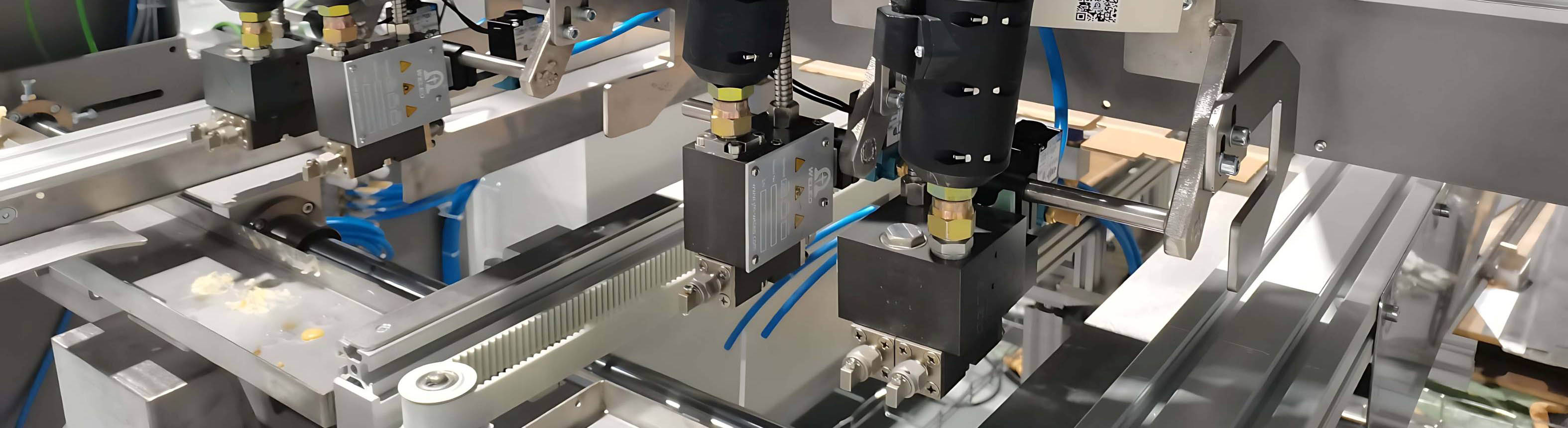
How To Avoid Downtime in Glue Systems?
Unexpected glue system stoppage often starts from small problems: unstable heating, blocked nozzles, worn seals, dirty filters, incorrect pressure, or delayed cleaning. For packaging, paper products, non-woven materials, labels, product assembly, new energy, and automation lines, one hour of downtime can interrupt output, increase waste, and affect delivery planning.
WELEO focuses on hot melt adhesive equipment, PUR Reactive Hot Melt Adhesive Units, cold gluing systems, Heated Hoses, applicators, nozzles, and related dispensing components. This product range supports glue system downtime reduction by helping production lines maintain stable melting, delivery, metering, and application performance. WELEO describes its equipment as being used in beverage packaging, food packaging, paper products, atomizer assembly, new energy, non-woven fabrics, labels, and automation industries.
Table of Contents
Keep Temperature Control Stable
Hot melt systems rely on temperature consistency. When the tank, hose, gun, and nozzle do not stay within a stable range, adhesive viscosity changes. This may cause stringing, poor flow, charring, unstable glue amount, or nozzle blockage. ASTM D4499 notes that hot melt adhesives are applied at high temperatures to reach workable viscosity, while heat exposure during processing can change adhesive properties and affect bond quality.
A reliable glue system should not only heat the adhesive. It should control heat across the full path from tank to applicator. Regular checking of temperature sensors, heater bands, hose connectors, and insulation helps prevent hidden faults before they stop production.
Build Maintenance Around Real Failure Points
Many factories only repair adhesive equipment after a fault appears. This creates longer downtime because the cause may involve several connected parts. A better industrial equipment maintenance solution should focus on the most common failure points: filters, pump seals, nozzle tips, hose joints, pressure settings, tank cleanliness, and electrical controls.
| System Area | Common Downtime Risk | Practical Prevention |
|---|---|---|
| Melting tank | Carbon buildup or uneven melting | Clean on schedule and avoid overheating |
| Filter | Flow restriction | Replace before pressure becomes unstable |
| Pump | Output fluctuation | Check seals, wear, and pressure regularly |
| Heated hose | Temperature drop or glue aging | Inspect insulation and connectors |
| Nozzle | Blockage or irregular glue line | Clean tips and match nozzle size to output |
Control Glue Amount Accurately
Unstable glue amount can make operators stop the line repeatedly for adjustment. Too much adhesive increases waste and may cause overflow. Too little adhesive causes weak bonding and rework. WELEO explains that glue amount accuracy should be addressed from the equipment source, including piston pump units, high-precision gear pump units, quantitative spraying systems, PUR reactive hot melt equipment, and cold gluing systems.
To reduce glue machine downtime, the dispensing method should match adhesive viscosity, line speed, bonding area, and product structure. A high-speed packaging line may need fast response and stable flow, while product assembly may require more precise bead or dot control.
Protect Adhesive Machine Reliability
Strong adhesive machine reliability depends on both equipment design and daily operation habits. Operators should avoid mixing incompatible adhesive types, leaving aged glue in the tank for too long, or running the system with dirty filters. These habits may look minor, but they increase pump load and shorten component life.
ASTM D3236 covers apparent viscosity testing for hot melt adhesives and coating materials up to 200,000 mPa·s at temperatures up to 175°C. This shows why viscosity control is a real production factor, not just a laboratory topic. When viscosity changes beyond the suitable range, the machine must work harder to deliver the same glue amount.
Standardize Operator Checks
Downtime prevention needs simple routines that operators can repeat every shift. Before production, check tank temperature, hose temperature, pump pressure, glue level, nozzle condition, and air supply. During production, watch for delayed glue output, irregular lines, unusual pump noise, burnt smell, or pressure fluctuation.
WELEO’s glue dispensing process explanation shows that adhesive preparation, delivery, metering, and application are continuous steps. A fault in one step can affect final bonding and system stability.
Choose Equipment That Matches The Line
Downtime often happens when the glue system is smaller, slower, or less precise than the production line requires. A system should be selected according to adhesive type, glue consumption, tank capacity, melting speed, hose length, nozzle pattern, and automation connection.
WELEO can support different application needs through piston pump melters, gear pump melters, PUR reactive units, quantitative spraying systems, cold gluing systems, heated hoses, hot melt guns, and Nozzle Applications. Matching these components properly helps improve system reliability and keep adhesive application consistent across long production runs.
Conclusion
Glue system downtime is usually preventable. Stable temperature, clean filters, correct pump output, proper nozzle selection, planned maintenance, and trained operators all help reduce stoppage risk. WELEO supports manufacturers with adhesive equipment solutions that focus on stable melting, accurate dispensing, reliable application, and easier maintenance, helping production lines stay efficient with fewer unexpected interruptions.