





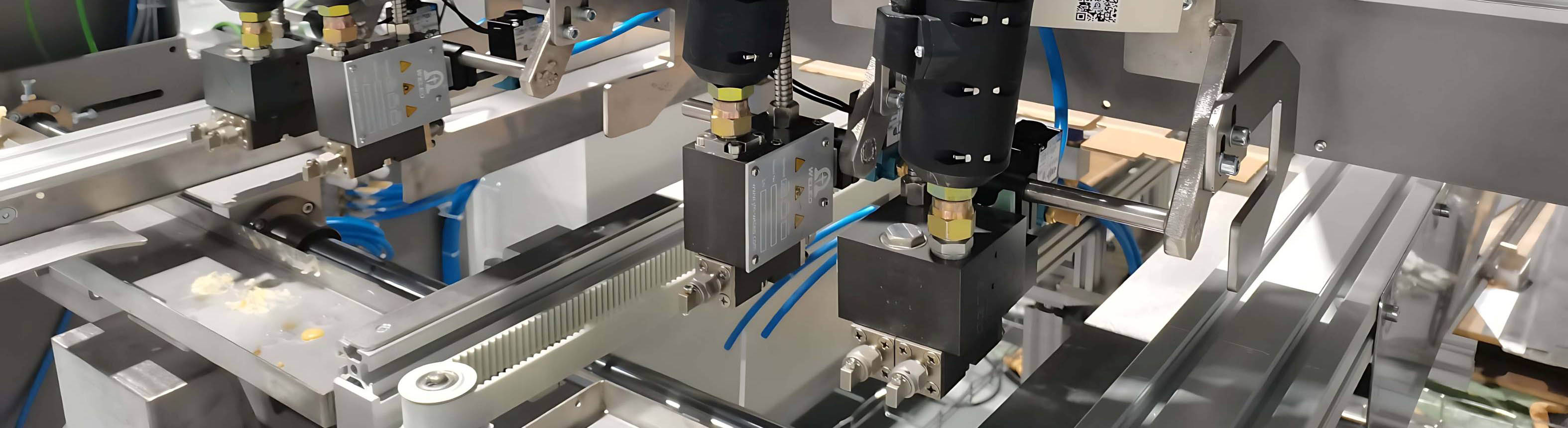
High-precision adhesive application has become increasingly important as manufacturers require better product consistency and lower material waste. In modern production environments, adhesive is no longer simply applied between two materials. It needs to be delivered at the correct position, in the correct amount, and at the correct time.
-
2026-09-29
-
2026-09-29Stable adhesive flow is essential for maintaining consistent bonding quality in industrial production. When adhesive is applied continuously, even small changes in output pressure or flow rate can influence glue lines, bonding strength, and material consumption.
-
2026-09-28Adhesive quantity plays a major role in determining bonding performance. In many manufacturing processes, the difference between a successful bond and a quality problem may come down to whether the correct amount of adhesive is applied.
-
2026-09-28Adhesive consumption is an important factor that influences manufacturing efficiency and operating costs. In many production processes, excessive glue usage does not always improve bonding performance. Instead, uncontrolled adhesive application can increase material expenses, create cleaning problems, and affect final product appearance.
-
2026-09-27Stable adhesive performance is essential for maintaining consistent product quality during manufacturing. Even small changes in glue temperature, pressure, flow rate, or application timing can affect bonding results. When production lines operate continuously, these variations may lead to increased waste, quality issues, and unexpected downtime.
-
2026-09-27Labor cost is one of the important factors affecting manufacturing efficiency, especially in industries where adhesive application requires repetitive operations. As production volume increases, relying on manual gluing can create challenges such as inconsistent application, additional inspection work, and higher dependence on skilled operators.
-
2026-09-27Production requirements rarely remain unchanged. As factories increase output, introduce new products, or improve quality standards, the original adhesive process may no longer provide enough stability. Many manufacturers upgrade their glue systems because adhesive application has become a key factor affecting production efficiency and product consistency.
-
2026-09-26The adhesive process is often considered a small step in manufacturing, but it can influence the efficiency of an entire production line. When production volume increases, traditional manual glue application may become difficult to control because every operation depends on worker experience, application speed, and consistency.
-
2026-09-26Manufacturing industries continue to adopt automation because production requirements are becoming more demanding. Adhesive application is one area where automation can significantly improve consistency, speed, and process control.
-
2026-09-26Accurate adhesive application is essential for manufacturers that require consistent product quality, reduced material waste, and stable production efficiency. A small variation in glue position, volume, or timing can affect bonding strength and create quality problems during large-scale manufacturing.
-
2026-09-25The cost of Hot Melt Equipment depends on many factors, and there is no single standard price that applies to every manufacturing application. Different production requirements require different system configurations, from basic adhesive dispensing solutions to fully automated systems integrated with production lines.
-
2026-09-25The performance of a Hot Melt Machine directly influences adhesive stability, production efficiency, and final bonding quality. Although the equipment may appear to perform a simple task of melting and applying adhesive, many internal and external factors determine whether the system can operate reliably during continuous manufacturing.