





What Is An Industrial Glue Application Solution?
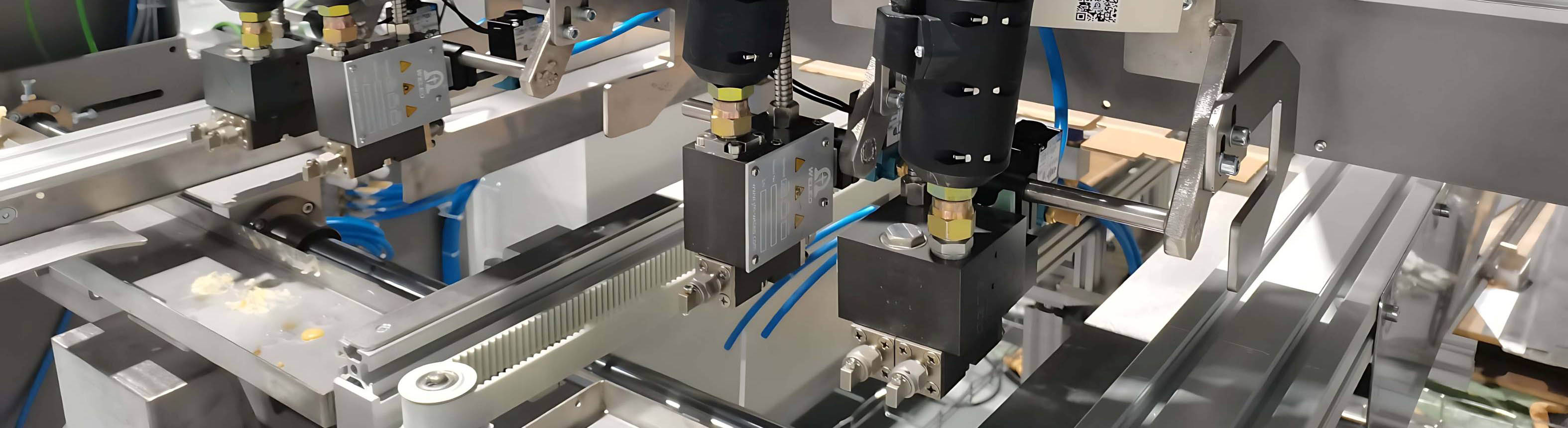
An industrial solution is a coordinated system that prepares, transfers, controls, and applies adhesive according to a defined production process. It may include material feeding, melting or conditioning, pumps, hoses, filters, applicators, nozzles, sensors, pattern control, automation signals, and maintenance access.
Table of Contents
Begin With the Bonding Task
System design should start with the product, substrate, bond area, line speed, adhesive weight, setting time, and finished-use environment. Equipment is selected only after these conditions are understood.
Bond testing should use actual production materials. Surface coatings, recycled content, dust, moisture, and storage temperature can change adhesion even when the same glue and equipment settings are used.
Match the Adhesive With the Process
Thermoplastic hot melt requires controlled heating throughout the tank, hose, gun, and nozzle. PUR needs restricted moisture exposure and suitable package handling. Cold glue may require agitation, filtration, or drying time instead of heated delivery.
An industrial adhesive solution system must also account for viscosity, supply form, open time, recommended temperature, and cleaning method. Selecting equipment before confirming the adhesive can create unnecessary pressure loss, degradation, curing, or difficult changeovers.
Calculate the Required Capacity
Average consumption is only the starting point. Calculate adhesive weight per product, products per minute, simultaneous heads, peak speed, and duty cycle. Melting or feeding capacity should recover after refilling without disturbing viscosity or output.
Capacity should be checked at normal and maximum speed. A system that operates correctly during an idle demonstration may still lose temperature, pressure, or pattern stability under full production demand.
Select the Application Method
Bead, dot, spray, swirl, slot coating, and multi-nozzle application create different material distributions. The method should deliver the required bond using a controlled, repeatable glue weight.
The applicator must fit available space and product movement. Nozzle angle, distance, trigger response, coating width, and access for cleaning should be checked before mounting points are finalized.
Integrate Control and Production Signals
A complete adhesive system solution may exchange ready, run, fault, trigger, encoder, recipe, and speed signals with the line. Signal ownership should be clear between the main PLC, adhesive controller, robot, and local HMI.
Interlocks should prevent dispensing before temperature, material level, pressure, or safety conditions are ready. Tests must cover startup, acceleration, planned stops, communication loss, and emergency shutdown.
Include Service Requirements
A glue application solution factory should review operating hours, changeover frequency, cleaning rules, service access, utilities, and installation drawings before final configuration.
Filters, pumps, seals, hoses, and applicators should remain accessible after installation. Long delivery paths and hidden dead zones can increase retained adhesive, cleaning time, and maintenance cost.
Define the Complete Solution Scope
| Design area | Information required |
|---|---|
| Product and substrate | Material, geometry, bond location |
| Adhesive | Chemistry, viscosity, supply form |
| Production | Normal and peak line speed |
| Application | Pattern, weight, width, timing |
| Controls | PLC signals, recipes, alarms |
| Utilities | Voltage, air supply, environment |
| Service | Access, cleaning, spare parts |
WELEO develops each industrial glue application solution from these connected requirements. Our adhesive solution system design process aligns material preparation, capacity, dispensing, automation, and maintenance so the result supports measurable production performance rather than a collection of individually selected components.