





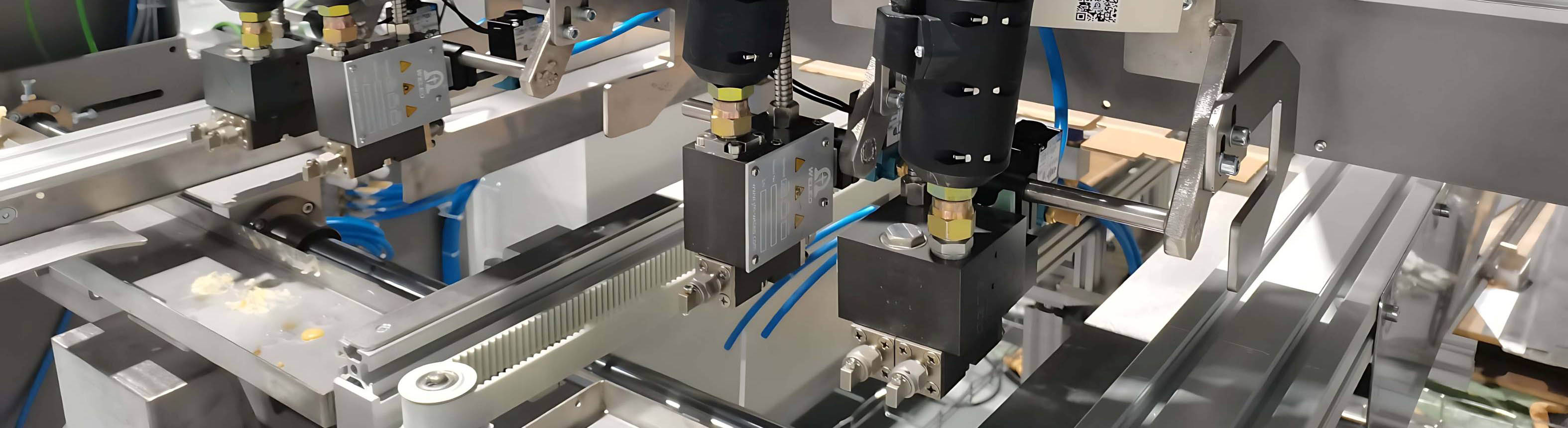
How Can Hot Melt Equipment Reduce Adhesive Waste?
Adhesive waste is not limited to visible overspray. Excess bead weight, unstable startup, tank residue, char, leaking modules, rejected bonds, and material left in long delivery paths all increase real consumption. Effective reduction begins by measuring where glue is lost.
Table of Contents
Separate Necessary Use From Process Loss
Measure consumption by product family and shift. A monthly total cannot show whether loss comes from one recipe, one applicator, or repeated startup adjustments.
Stabilize Output Before Reducing Setpoints
Operators sometimes reduce pump pressure or temperature to save glue. This may create broken patterns and weak bonds, raising rejection cost. First establish stable temperature, pressure, timing, and line-speed compensation; then reduce coat weight through controlled trials.
An adhesive waste reduction system should make output repeatable enough that the approved minimum can be maintained. Gear-pump metering, consistent viscosity, accurate triggering, and suitable nozzle geometry all contribute.
Reduce Loss During Stops and Changeovers
Standby control lowers thermal stress during planned pauses. Scheduled heating allows the system to reach readiness close to production time instead of holding adhesive hot for unnecessary hours. Low-level monitoring can prevent emergency refills that disturb temperature and output.
Keep changeover instructions for compatible and incompatible materials. Selecting practical tank capacity and shorter delivery paths reduces the amount retained during cleaning. Cartridge or small-volume feeding may suit short runs where a full tank would create excessive leftover material.
Prevent Small Faults From Becoming Material Loss
Blocked filters raise pressure and disturb flow. Worn seals cause leakage. Carbon deposits reach gun filters and nozzles, creating rejects and additional purging. Preventive maintenance should therefore be included in the calculation when working to reduce glue waste in production.
Record filter condition, tank cleanliness, hose temperature, nozzle service, pump performance, and adhesive consumption together. This connects maintenance activity with measurable material results.
Where Equipment Control Reduces Waste
| Waste source | Equipment response | Result to monitor |
|---|---|---|
| Excess application | Metered pump and recipe control | Glue weight per product |
| Speed changes | Line-speed compensation | Weight across speed range |
| Overspray | Correct module and pattern setup | Adhesive outside bond area |
| Long hot holding | Standby and scheduling | Char and tank residue |
| Late refill | Level monitoring | Recovery time and rejects |
| Clogged path | Staged filtration | Pressure trend and downtime |
The table belongs in periodic production reviews, where actual values can replace assumptions.
Configure the Complete Application Path
Tank size, melt rate, pump displacement, hose length, gun response, nozzle pattern, and controls should be sized together. Saving adhesive at one point has little value when another component creates unstable output.
As a hot melt equipment supplier, WELEO evaluates adhesive properties, target coat weight, production speed, and automation signals before recommending the system. This approach turns material saving into a controlled production result supported by weight checks, recipes, alarms, and maintenance records.