





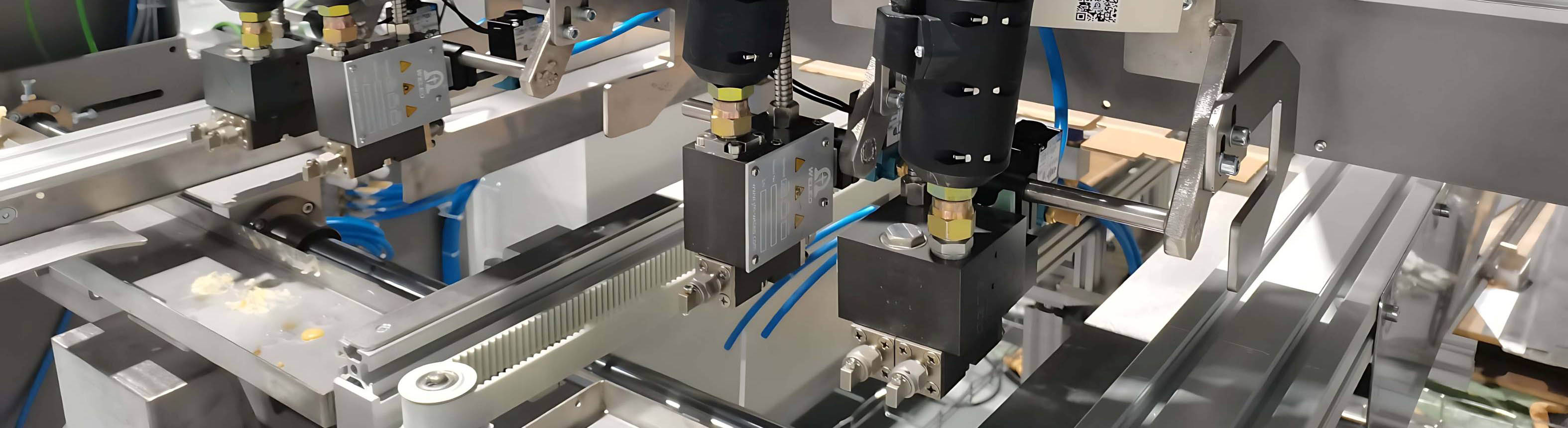
How To Prevent Clogging In Hot Melt Glue Dispensing Systems?
Clogging is usually the final symptom of contamination, degradation, cold spots, long residence time, or unsuitable filtration. Prevention must cover material loading through the nozzle, because clearing the outlet does not remove the cause.
Table of Contents
Identify the Restriction
Hard dark particles often indicate carbonized adhesive. Soft gels may come from incompatible materials or moisture exposure in reactive adhesives. Clean solid material near a fitting can point to a cold section, failed heater, damaged sensor, or insufficient warm-up.
Before disassembly, note pressure trends, the affected channel, alarms, downtime, and recent adhesive changes. This separates a local nozzle restriction from a system-wide problem.
Keep Contamination Out of the Tank
Open bags, dirty scoops, cardboard fibers, dust, and mixed grades introduce debris. Store adhesive sealed and dry, keep the loading area clean, and use dedicated tools.
PUR materials need stricter moisture control. Containers, seals, and transfer paths should limit air contact according to the adhesive supplier's instructions. This helps prevent clogging in glue system components through premature reaction.
Control Heat and Residence Time Together
Low heat leaves adhesive too viscous for a small orifice. Excessive heat may bake stationary material onto hot surfaces and generate downstream char. Keep zones within the approved range and investigate slow recovery instead of raising every setpoint.
Use standby settings for pauses and a defined shutdown procedure for longer downtime. Tank volume should match consumption so material is refreshed rather than repeatedly heated.
Build Filtration Around the Application
Finer filtration is not always better. Mesh must balance particle capture against viscosity, flow, pressure loss, and nozzle size. Staged filtration can combine a tank filter with an inline or gun filter.
| Observation | Inspect first | Response |
|---|---|---|
| Pressure rises at all guns | Main filter | Service filter; inspect tank |
| One gun loses output | Gun filter or valve | Isolate affected channel |
| Pattern turns uneven | Nozzle orifice | Use approved cleaning |
| Dark particles return | Tank and hot surfaces | Remove char; review heat |
Track pressure at a standard flow where possible. Waiting for complete blockage may push debris into seals or encourage unsafe pressure adjustments.
Protect Precision Parts During Cleaning
A proper nozzle clogging prevention method begins with depressurization, lockout, and burn protection. Use approved cleaning fluid, controlled heat, or soft tools. Steel wire, drills, and open flames can enlarge orifices, scratch sealing faces, and alter the pattern.
Inspect O-rings, valve seats, and screens. Repeated blockage at one outlet may signal poor heating, module damage, misalignment, or an undersized orifice.
Use Records as Early Warnings
Schedule filter inspection, zone verification, tank cleaning, and documented adhesive changeovers. Record pressure at a consistent temperature and flow; a gradual rise gives warning before output becomes unstable.
A reliable hot melt glue dispensing system must match the material, pattern, operating hours, and cleaning access. WELEO considers pump delivery, hose heating, filtration, gun structure, and nozzle geometry together, reducing stagnant areas and keeping service points accessible.