





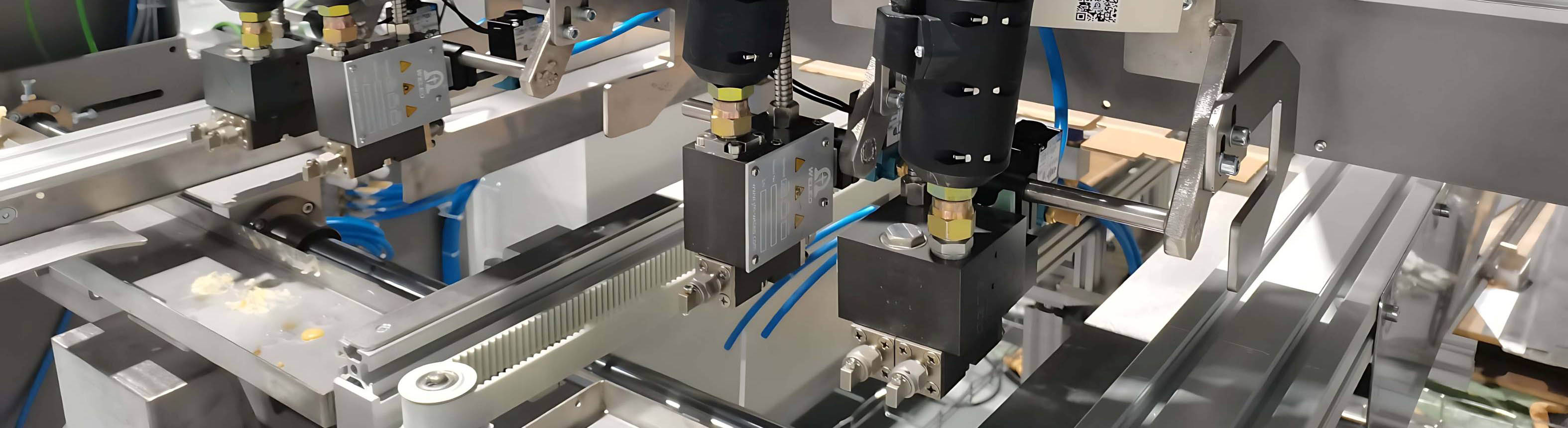
How To Choose A PUR Hot Melt Melter For Continuous Production?
Continuous PUR processing requires stable melting, limited moisture exposure, controlled residence time, and enough delivery capacity for every operating speed. The correct melter must match the adhesive package, hourly consumption, viscosity, applicator demand, shutdown routine, and available factory utilities.
Table of Contents
Start With the PUR Supply Format
PUR adhesive may arrive in cartridges, foil-packed slugs, pails, or drums. Each format requires a different feeding and melting structure. A cartridge unit can reduce retained material in short or low-volume runs, while pail and drum unloaders support higher, longer production demand.
Bag or slug systems progressively expose and melt the material. Platen systems melt adhesive at the surface of a pail or drum and deliver it through a pump. The package dimensions and sealing method must therefore be confirmed before equipment selection.
Calculate Continuous Demand Correctly
Average hourly use is not enough. Calculate adhesive weight per product, products per minute, simultaneous applicators, peak line speed, and expected shift length. The pur hot melt melter must recover after loading or package replacement without causing a temperature or flow drop.
Reserve capacity is useful, but excessive sizing increases heated material volume and residence time. The goal is sufficient melt rate with controlled exposure, not the largest available machine.
Compare Critical Selection Factors
| Production condition | Melter requirement | Risk if mismatched |
|---|---|---|
| Long uninterrupted shifts | Melt rate above peak use | Output or temperature loss |
| Moisture-reactive adhesive | Enclosed melting path | Premature curing |
| Several application heads | Adequate pump and heating zones | Uneven channel output |
| Frequent product changes | Recipe and pattern control | Setup variation |
| Planned production pauses | Standby and shutdown modes | Thermal degradation |
| Pail or drum supply | Correct platen and container size | Poor sealing or residual glue |
Control Moisture Across the Material Path
Reactive hot melt adhesive equipment must limit air exposure through sealed feeding, transfer, pumping, and application components.
Match Pump and Heating Capacity
Gear pumps are commonly used where output must remain controlled or follow line speed. Select displacement from minimum, normal, and maximum flow rather than peak pressure alone. The motor should operate within a stable range across all approved recipes.
Independent temperature zones for the melt section, pump, hose, and gun help maintain viscosity. Confirm sensor type, voltage, heater wattage, connector arrangement, hose length, and the number of controlled outlets.
Confirm Shutdown Protection
A pur melter for continuous production needs approved purge and cleaning procedures, accessible filters and seals, plus alarms for low level, temperature deviation, drive faults, and loss of pneumatic pressure.
WELEO configures cartridge, slug, pail, and drum-based PUR systems around real adhesive and production data. Matching the feeding structure, melt rate, pump, thermal zones, and maintenance process supports stable output while limiting moisture exposure and cured material inside the system.