





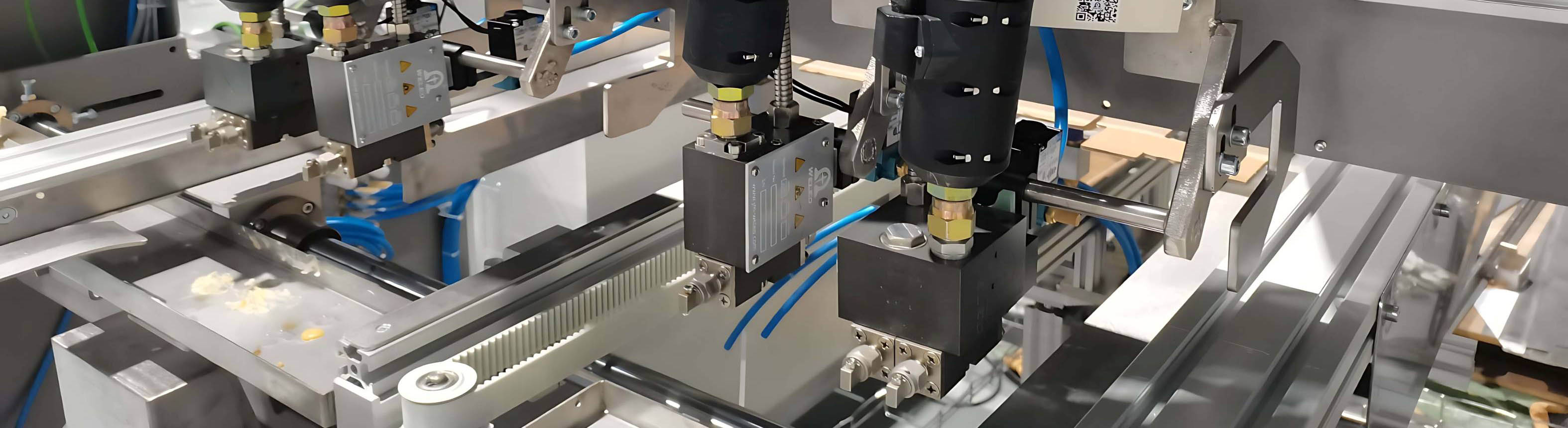
How To Improve Adhesive Production Stability
Stable adhesive performance is essential for maintaining consistent product quality during manufacturing. Even small changes in glue temperature, pressure, flow rate, or application timing can affect bonding results. When production lines operate continuously, these variations may lead to increased waste, quality issues, and unexpected downtime.
An Adhesive System needs to provide consistent performance from adhesive melting to final application. Improving stability requires understanding the complete bonding process and optimizing every factor that influences adhesive delivery.
Table of Contents
- What Causes Instability In Adhesive Production?
- How Does Temperature Control Affect Adhesive Stability?
- Why Is Pressure Control Important For Continuous Production?
- How Can Equipment Maintenance Improve Stability?
- What Production Adjustments Help Maintain Stable Adhesive Performance?
- How Can Manufacturers Build A More Reliable Adhesive Process?
What Causes Instability In Adhesive Production?
Adhesive instability usually does not come from one single problem. It is often the result of multiple factors working together.
For example, unstable heating may change adhesive viscosity, while inconsistent pressure may affect glue output. In addition, unsuitable equipment settings or poor maintenance practices can gradually reduce system performance.
Common instability sources include:
Temperature fluctuation during operation
Incorrect adhesive and equipment matching
Irregular dispensing pressure
Blocked or unsuitable application components
Finding the actual cause is the first step toward improving production reliability.
How Does Temperature Control Affect Adhesive Stability?
Temperature is one of the most important conditions affecting adhesive behavior. Hot melt materials need to remain within a suitable temperature range to maintain proper flow characteristics.
When temperature is unstable, adhesive may become too thick or too fluid, which changes the application result. This can create differences in glue lines, bonding strength, and material usage.
A stable heating system uses accurate monitoring and adjustment to maintain consistent adhesive conditions throughout production.
Why Is Pressure Control Important For Continuous Production?
After adhesive is melted, it needs to travel through the system before reaching the application point. During this process, pressure stability determines whether glue can be delivered evenly.
A sudden change in pressure may cause irregular dispensing, incomplete glue patterns, or excessive material output.
| Stability Factor | Influence On Production |
|---|---|
| Temperature Management | Maintains proper adhesive flow |
| Pressure Control | Keeps dispensing consistent |
| Component Condition | Prevents unexpected interruptions |
| System Settings | Supports repeatable operation |
Maintaining these conditions helps create a more predictable adhesive process.
How Can Equipment Maintenance Improve Stability?
Regular maintenance plays an important role in keeping adhesive systems reliable. Residue buildup, worn components, and incorrect settings can gradually affect performance.
Maintenance should focus on checking critical areas such as heating components, hoses, pumps, and dispensing parts. Early detection of small issues can prevent larger production interruptions.
What Production Adjustments Help Maintain Stable Adhesive Performance?
Stability is also influenced by how the system is operated. Production teams should ensure that adhesive materials, equipment parameters, and application requirements remain properly matched.
A stable process usually requires coordination between:
Material Selection
The adhesive should match the required bonding conditions and equipment capabilities.
Equipment Configuration
The melting unit, pump, hose, and nozzle should work together according to production requirements.
Operating Management
Production parameters should remain consistent and be adjusted only when necessary.
How Can Manufacturers Build A More Reliable Adhesive Process?
Improving adhesive stability is a continuous process rather than a one-time equipment adjustment. Manufacturers need to evaluate current production problems, identify unstable factors, and optimize the system step by step.
Working with an experienced adhesive system manufacturer can help evaluate equipment configuration and application requirements. A properly designed system provides more predictable performance and supports long-term production efficiency.
Stable adhesive production comes from controlling every stage of the bonding process. When temperature, pressure, materials, and equipment work together, manufacturers can achieve consistent results with fewer production interruptions.