





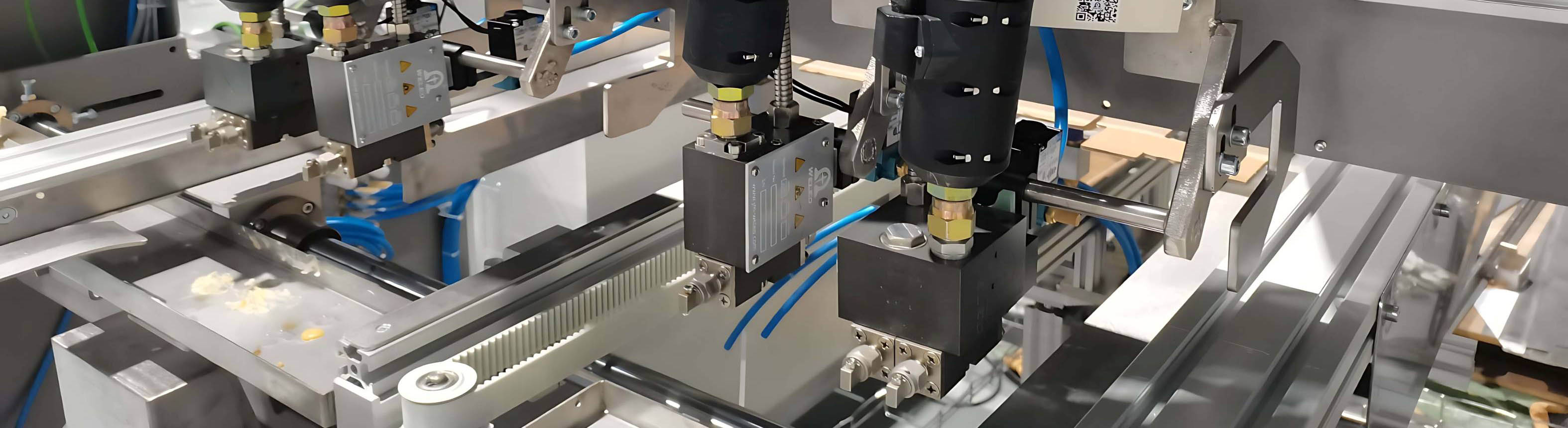
How Does Automation Improve Gluing
The adhesive process is often considered a small step in manufacturing, but it can influence the efficiency of an entire production line. When production volume increases, traditional manual glue application may become difficult to control because every operation depends on worker experience, application speed, and consistency. Automation changes this situation by transforming gluing from a manual task into a controlled production process.
An Automated Glue System connects adhesive supply, dispensing control, and production timing into one coordinated operation. Instead of simply applying more glue faster, automation focuses on improving accuracy, repeatability, and process stability. This allows manufacturers to maintain consistent bonding results even when production requirements become more demanding.
Table of Contents
From Manual Application To Automated Control
The biggest change brought by automation is the transition from operator-based control to parameter-based control.
In manual gluing, workers usually adjust adhesive amount and placement through experience. This method may work for small production runs, but differences between operators can create variations in final products.
An automated process uses preset conditions to control the adhesive application. The system can regulate glue volume, dispensing timing, and application position according to production requirements. Once the parameters are confirmed, every production cycle follows the same process.
This change improves production consistency because the adhesive process is no longer affected by human fatigue or individual operating habits.
The Working Flow Of An Automated Gluing Process
A complete automated adhesive process usually follows a continuous sequence:
Step 1: Adhesive Preparation
The adhesive is heated and maintained at the required temperature. Stable heating ensures that viscosity remains suitable for accurate dispensing.
Step 2: Pressure And Flow Management
The system transfers adhesive through pumps and heated components while maintaining consistent pressure. This prevents unstable glue output during long production periods.
Step 3: Precision Application
The dispensing device applies adhesive according to programmed positions and timing. Different products can use different application patterns depending on bonding requirements.
Step 4: Production Synchronization
The glue system works together with production equipment, allowing adhesive application to match product movement and manufacturing speed.
Through this process, automation improves not only the glue application itself but also the coordination between adhesive equipment and production lines.
Where Does Automation Create The Biggest Improvement?
Different industries benefit from automation in different ways. For packaging production, automated gluing helps maintain fast carton assembly without inconsistent glue lines. In furniture manufacturing, precise adhesive control helps improve component bonding. For nonwoven and filtration applications, stable glue distribution is important for maintaining product performance.
The improvement is especially noticeable in continuous production environments where even small application differences can affect thousands of finished products.
How Does Automation Reduce Production Problems?
An automated system helps manufacturers reduce several common adhesive issues.
Inconsistent glue volume caused by manual operation
Production delays caused by repeated adjustments
Material waste caused by excessive adhesive usage
Quality differences between production batches
By controlling the adhesive process through equipment settings, manufacturers can create a more predictable production environment.
What Should Be Evaluated Before Automation?
Automation is not simply adding automatic equipment to an existing line. The adhesive system needs to match the product structure, adhesive characteristics, production speed, and machine layout.
The most effective approach is to analyze current production limitations first. After understanding where instability occurs, manufacturers can determine whether the improvement should focus on dispensing accuracy, production speed, adhesive control, or equipment integration.
A properly designed automated gluing process creates a balance between speed and quality. The goal is not only faster production, but a more reliable bonding method that can operate consistently over time.